Primary and Secondary Shaft Bearing Replacement in Modern Gearboxes
Primary and secondary shaft bearings carry radial and axial loads inside manual and automated manual gearboxes while maintaining precise shaft alignment for synchronizer engagement. When these bearings fatigue, the damage is rarely sudden. Whine under load, difficulty selecting gears, and metallic debris in the fluid are progressive signals that deserve attention before a shaft walks out of alignment and damages gear faces.
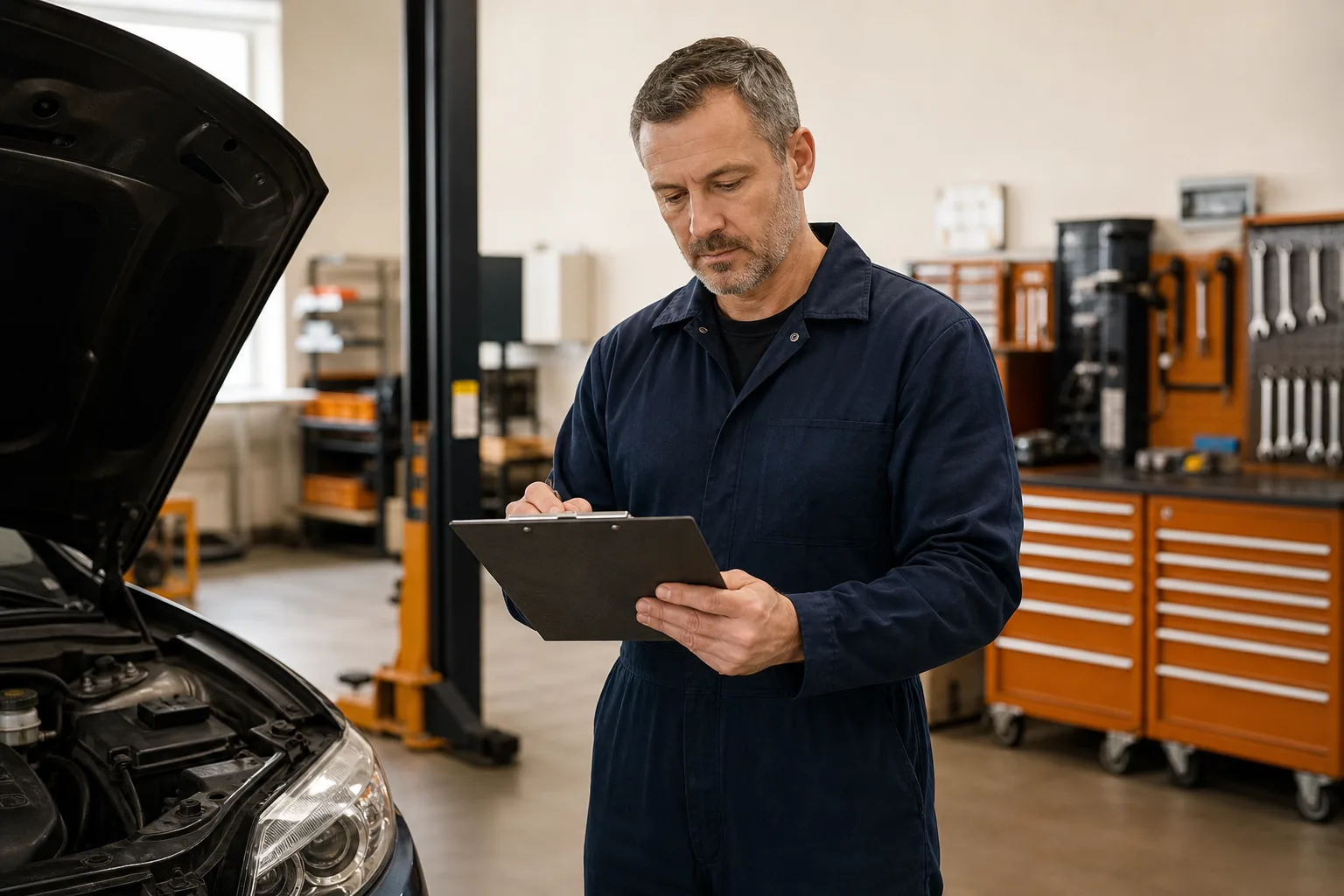
At pachycephal, transmission bearing work begins with fluid analysis and noise characterization, not immediate teardown. That context determines whether bearing replacement alone is sufficient or whether collateral damage already requires deeper rebuild scope.
Warning Signs of Bearing Fatigue
Bearing failure presents differently depending on which shaft is affected. Input shaft bearing wear often produces a high-frequency whine in neutral that changes pitch with engine speed. Countershaft or output shaft bearing degradation may appear as vibration under acceleration or a grinding sensation when the clutch is disengaged.
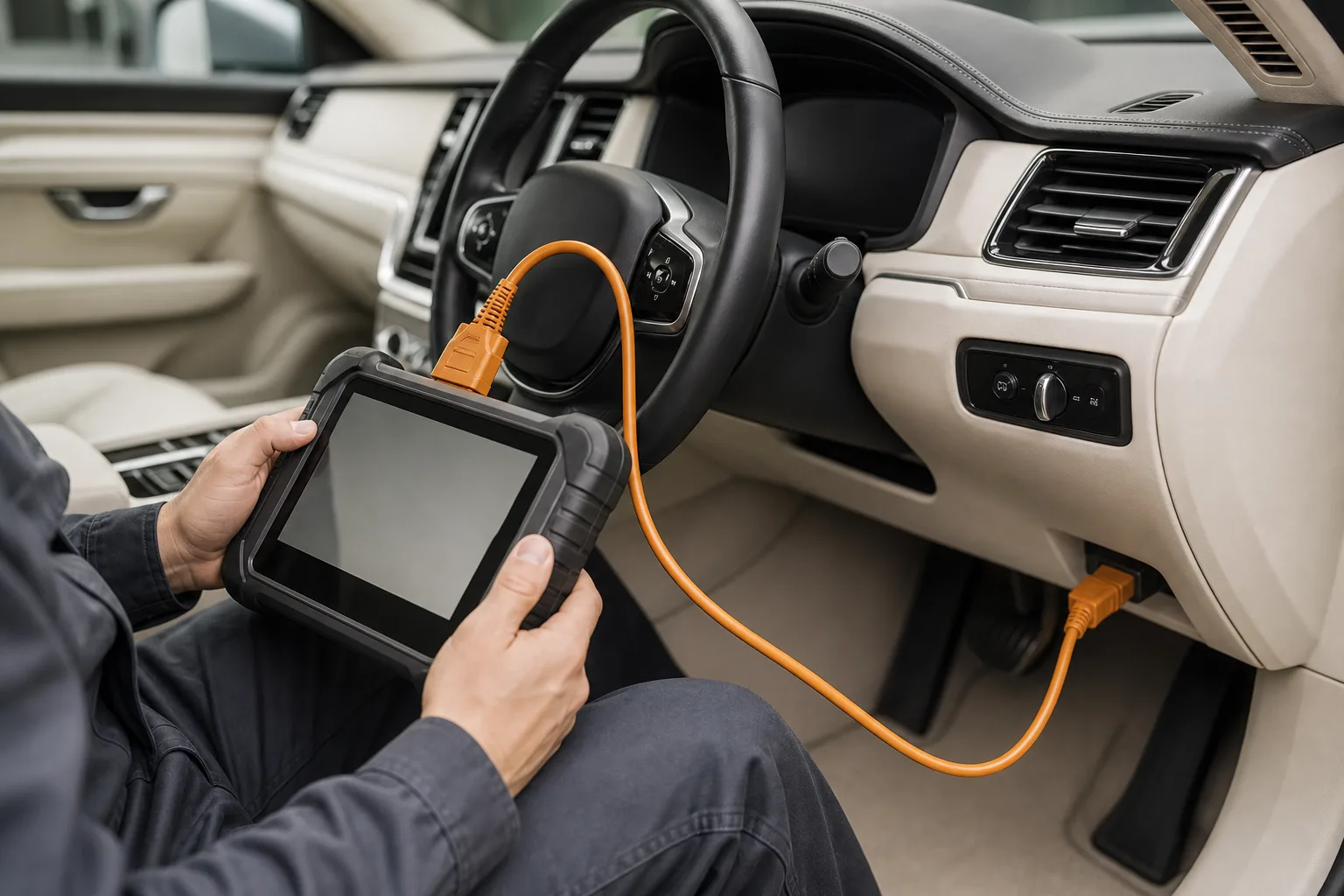
In automated platforms, the same bearing classes support shaft clusters inside mechatronic-controlled units. Fault codes related to shaft speed correlation or unexpected ratio slip sometimes trace back to bearing play that allows encoder targets to misread. Road test notes and fluid inspection guide whether we proceed to bench teardown.
Teardown and Inspection Protocol
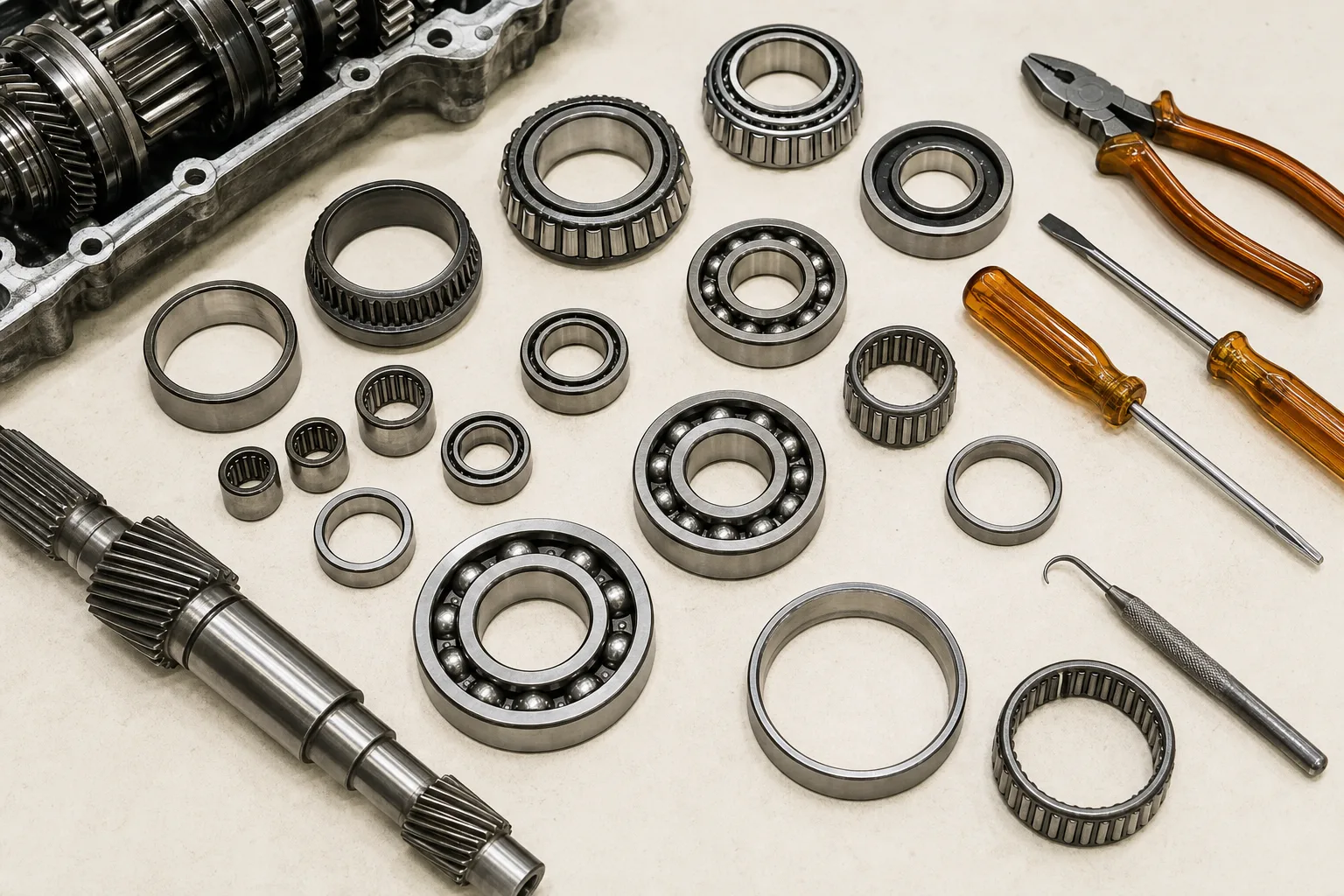
Once authorized, the unit is drained, documented, and disassembled on a clean bench with sequential labeling of shims, selectors, and shaft stacks. Each bearing is removed with pullers sized for the race diameter to avoid housing damage. We do not reuse bearings, even if they feel acceptable by hand.
Microscopic inspection of races and rolling elements reveals spalling, brinelling, and discoloration from overheating. Housing bores are measured for ovality and wear. If a bore has migrated out of spec, installing a new bearing of the correct part number still will not restore durability.
OEM Tolerance Matching
Aftermarket bearing catalogs list many cross-references, but transmission bearings are specified by internal clearance class, contact angle, and load rating tied to a particular shaft speed and lubrication channel design. Substituting a visually similar bearing with a different clearance stack changes preload on the shaft and accelerates wear on synchronizer hubs.
We source bearings against the manufacturer service bulletin for each platform and verify part revision against the unit build tag when available. Shim thickness is recalculated rather than reinstalled by memory, because endplay directly affects gear mesh and noise floor.
Reassembly and Validation
Reassembly follows reverse sequence with new seals, synchronized torque values on housing bolts, and the correct fluid specification for the unit. On manual boxes, we verify shift feel through the gate before the unit is reinstalled. On automated units, adaptation procedures and clutch learn values are reset per factory sequence.
Post-installation validation includes a controlled road test across the full speed range, listening for residual whine and confirming smooth engagement in every ratio. Fluid is re-checked after the test cycle for temperature and level because bearing replacement often coincides with seal service that changes fill volume.
Extending Service Life After Repair
Bearing life depends on clean fluid, correct fill level, and driving habits that avoid prolonged clutch slip or aggressive launches that shock the shaft stack. After major bearing work, we recommend an early fluid inspection interval to confirm no residual debris remains from the previous failure mode.
If you notice new noise after a fluid change, do not wait for complete gear lockup. Early intervention at the bearing stage preserves gears, synchronizers, and the housing bores that make a full rebuild far more costly than targeted bearing replacement.