How Structured Repair Cycles Eliminate Unnecessary Bay Idle Time
Most vehicle owners measure repair time from the moment their car enters the bay until it leaves. Inside the workshop, we measure something different: how much of that interval is spent with a technician actively working versus waiting for information, parts, or approvals. The gap between those two measurements is where unnecessary downtime lives, and it rarely has anything to do with how fast someone can turn a wrench.
At pachycephal, we treat every repair as a cycle with defined stages rather than a single open-ended task. That structure is what allows us to keep bays productive without cutting corners on diagnosis or quality control.
Where Delays Actually Start
The most common bottleneck in automotive repair is not mechanical complexity. It is incomplete intake data. When a vehicle arrives without a clear symptom history, prior repair records, or authorization scope, the first hour in the bay becomes a discovery phase that should have happened at the counter or over the phone.
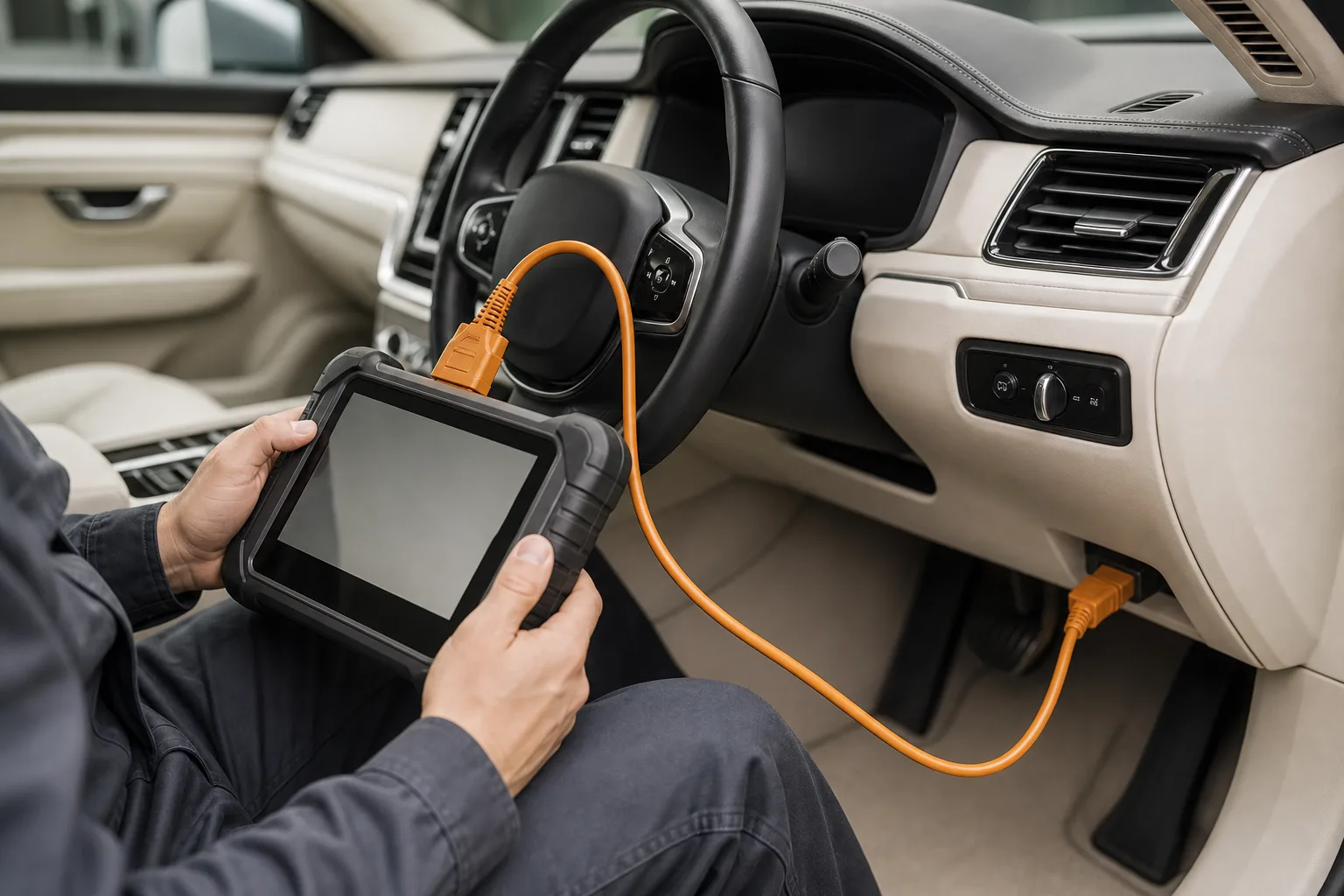
Structured intake forms, digital photos of warning lights, and a brief road-test note from the client can eliminate an entire round of guesswork. We assign a case number at intake and attach every document to that record before the vehicle is staged for lift assignment.
Pre-Staging Diagnostics and Parts
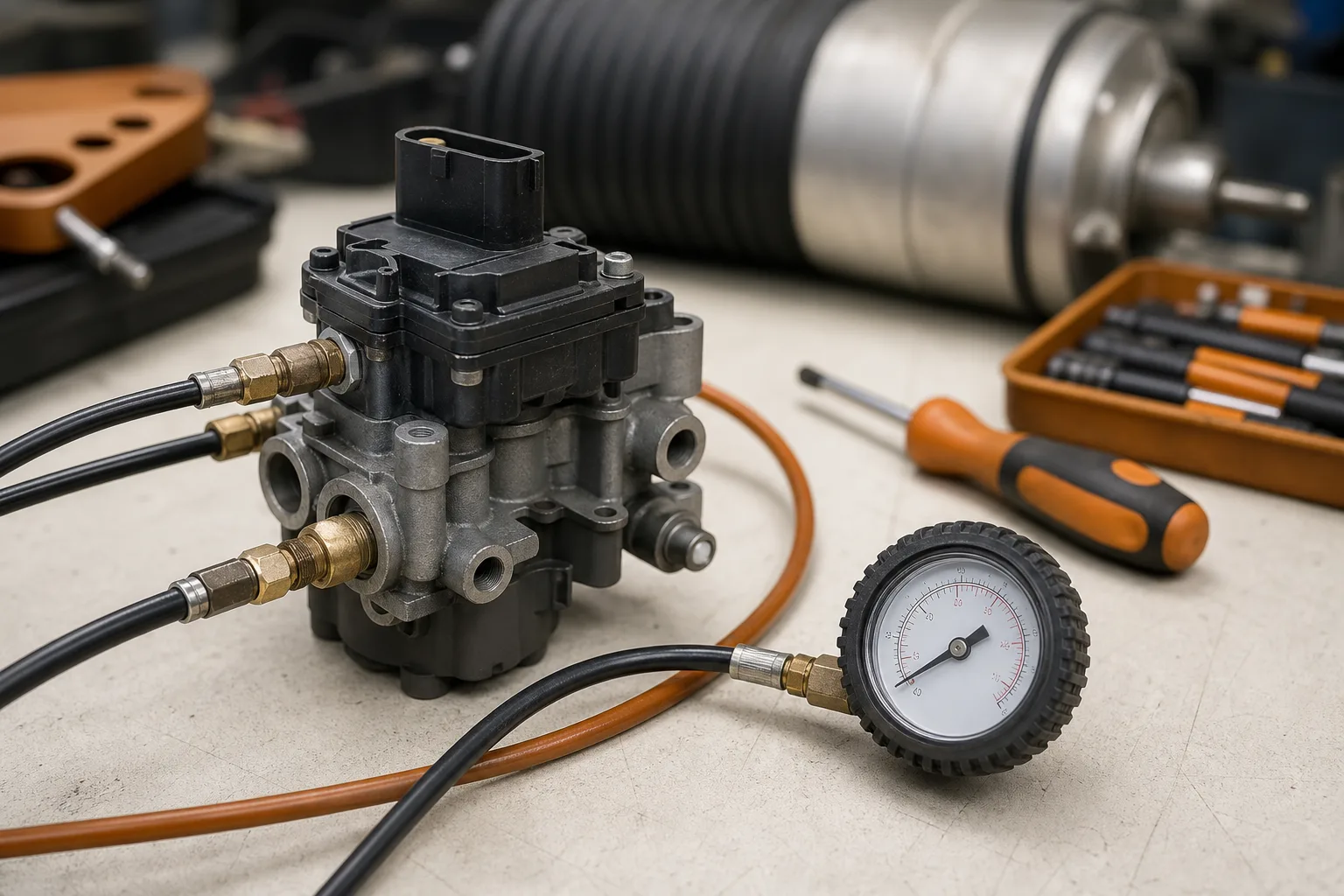
Once symptoms are documented, the next stage is parallel preparation. While one technician performs baseline scans and visual inspection, parts research runs simultaneously against manufacturer catalogs and our inventory system. If a control module, suspension valve, or bearing set is likely needed, we verify availability and lead time before teardown begins.
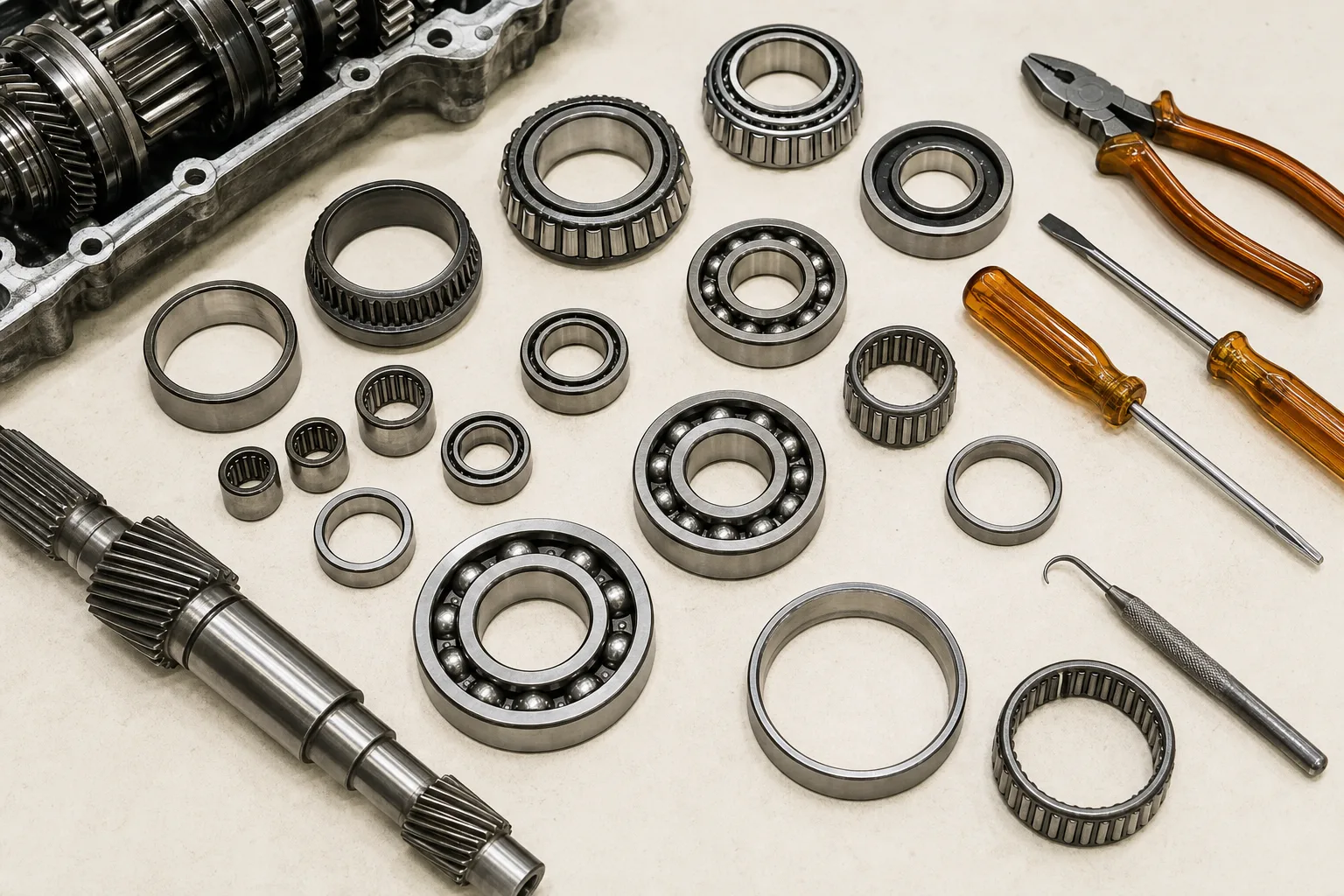
This approach prevents the classic scenario where a gearbox is opened, the failed component is identified, and the vehicle sits for two days while a bearing kit ships from a regional warehouse. Pre-staging does not mean ordering everything speculatively. It means having the most probable components identified, priced, and ready to release the moment inspection confirms the diagnosis.
Technician Assignment by Skill Match
Not every repair belongs on every lift. Transmission teardown, pneumatic suspension work, and network-level electronic diagnostics each demand different tooling and certification levels. Our scheduling board assigns jobs based on skill match and current bay equipment, not simply on who is available next.
When a complex electronic fault arrives during a heavy mechanical day, we route it to a diagnostics bay rather than interrupting a transmission rebuild mid-teardown. That separation protects both jobs from context switching and reduces the risk of procedural errors.
Quality Gates Without Adding Idle Time
Some shops treat quality checks as an afterthought bolted onto the end of a job. We embed them as gates between cycle stages: post-diagnosis verification, mid-repair torque and clearance checks, and a final road test with documented results. Each gate has a checklist tied to the case number, so nothing advances without sign-off.
Because these checks are scheduled into the cycle from the start, they do not extend total downtime unexpectedly. The client receives a repair that was validated at multiple points, and the bay turns over on a predictable timeline.
What This Means for Your Vehicle
When you bring a vehicle to pachycephal, you are not paying for bay rental time spent waiting on phone calls and back-ordered parts. You are paying for structured work performed in sequence, with the right technician, tools, and components ready when they are needed.
If you want to help compress your own repair cycle, bring symptom details, maintenance records, and a clear description of when the issue occurs. That information is the cheapest way to eliminate idle time before your vehicle ever reaches the lift.